Showing posts with label Squadron. Show all posts

Tuesday, 11 April 2017

Start of the drip-feed: Arrival at Ohakea and line-up of NZ choppers

Pictures from an exhibition: 

Ohakea Air Show: New Zealand Choppers


So I've been wondering how to share the literally hundreds of photos I took at the Air Tattoo. Decided to go with themes, and how the day unwound. So the first thing I saw was a line-up of NZ Choppers. So let's start here:


Line-up of active helicopter types in the RNZAF: 
Seasprite SH2-G(I), A109 LUH and NH 90s lined up at Ohakea Air Base


AugustaWestland A109 Light Utility Helicopter

The Helicopter Transition Unit is responsible for the operational testing and introduction of the new A109 training and light utility and NH90 medium utility helicopters which are replacing the Bell Iroquoiss.

The RNZAF has five new state-of-the-art AgustaWestland A109 Light Utility Helicopters (A109LUH). They are a lightweight, twin-engine aircraft with a modern glass cockpit and a retractable wheeled undercarriage.

The A109LUH is part of the Defence Force helicopter training system that includes computer based training, a virtual interactive procedural trainer, a simulator and helicopter. This provides the Defence Force with a cost effective means of training aircrew prior to operational conversion onto the NH90 or SH-2G helicopters. In addition to its training role, the A109LUH will be used in various operational roles.

Manufacturer: AgustaWestland, Italy
Power plant: Two Turbomeca Arrius 2K2 turboshaft engines capable of producing 609 Shaft horse power (SHP) each. The transmission system is rated for a maximum of 900 Shp (normally 450 Shp x 2)
Length: 12.939m
Fuselage Length: 11.429m
Rotor diameter: 10.830m
Height: 3.421m
Empty weight: 2200kg
Undercarriage: Retractable tricycle (wheeled)
Maximum take-off weight: 3175kg (3200kg with external load)
Useful load on cargo hook: 400kg
Rescue hoist: Can lift 270kg or two people
Max cruise speed: 285kph
Normal ferry range: 650km
Normal endurance: 3 hours 30 minutes
Crew: Two pilots, one helicopter crewman
Seating: The A109LUH has two pilot seats and a maximum of six seats in the rear cabin
Equipment: Glass cockpit (fully Night Vision Goggle compatible) with moving map, advanced flight management system, four-axis autopilot, fitted with radios for interoperability with the Defence Force, other military partners and civil agencies, Nightsun searchlight, emergency floats
Armament: Single pintle mounted 7.62mm MAG 58 Machine Gun
Protection: Full cockpit and rear cabin ballistic protection

(Information from RNZAF Official website)


A109 LUH In-flight display


A109 LUH Static display


Grand ol' dame: Bell Iroquis on static display


Bell UH-1H Iroquois

The RNZAF has retired its fleet of 16 Iroquois helicopters as of 1 July 2015
The first delivery was five UH-1D in 1966 followed in 1970 by nine UH-1H and one more UH-1H in 1976. All of the UH-1D aircraft were upgraded to 1H specification during the 1970s.


Two ex-US Army UH-1H attrition air frames were purchased in 1996, one of which is still  in service. Three aircraft have been lost in accidents.

Capacity is nine passengers or five troops with full packs or seven troops in light order. Equipment included a rescue winch, nightsun searchlight and night vision goggle capability. Armament was the M60 7.62mm, replaced by the MAG58 7.62mm.


The NH-90s took over all official duties on 1 July 2015. 10 Bell UH-1H air frames were advertised for sale to domestic and international purchasers and the remaining three air frames will be donated to museums around New Zealand.

On the 2 March 2016, after a successful tender acquisition, the Iroquois helicopter fleet was shipped to Dakota Air Parts International, warehouse in Phoenix, Arizona. Six of the ten helicopters remain in a airworthy condition.


3 Sq RNZAF NH 90's


NH Industries NH90

The NH Industries NH90 was chosen as the primary replacement helicopter for the Bell UH-1H. 

The NH-90 are used to support the NZ Army, NZ Police, New Zealand Department of Conservation, assist with search and rescue, VIP duties, and heavy lifting. 
Nine NH-90 were acquired for NZ $70 million a helicopter in 2007 and deliveries began in 2012 with the first two helicopters arriving at RNZAF Base Ohakea. The NH-90 took over all official duties from the Bell UH-1H on 1 July 2015.


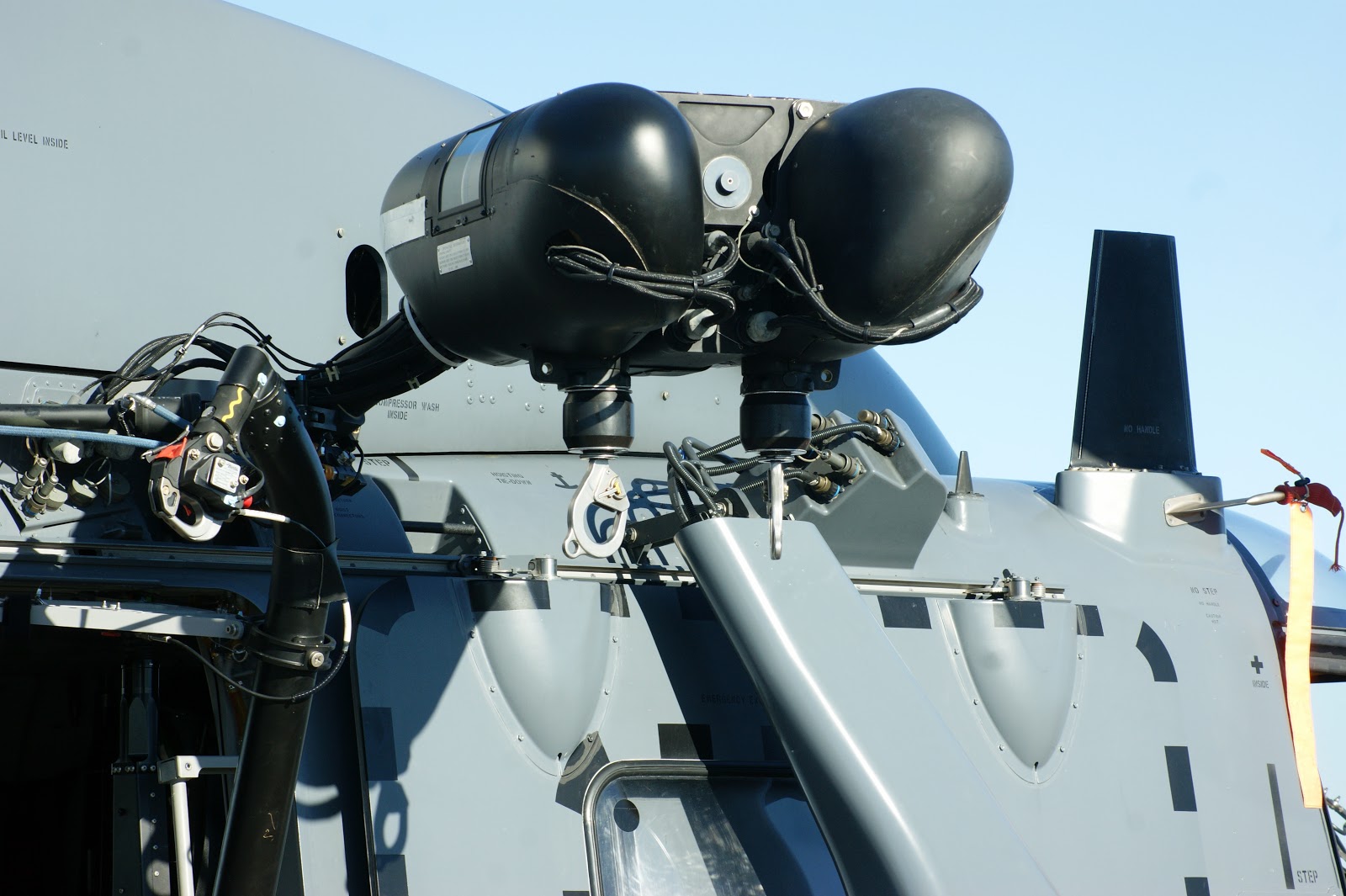
Tail assembly NZ3304 NH90 of 3 Squadron RNZAF


Winching gear
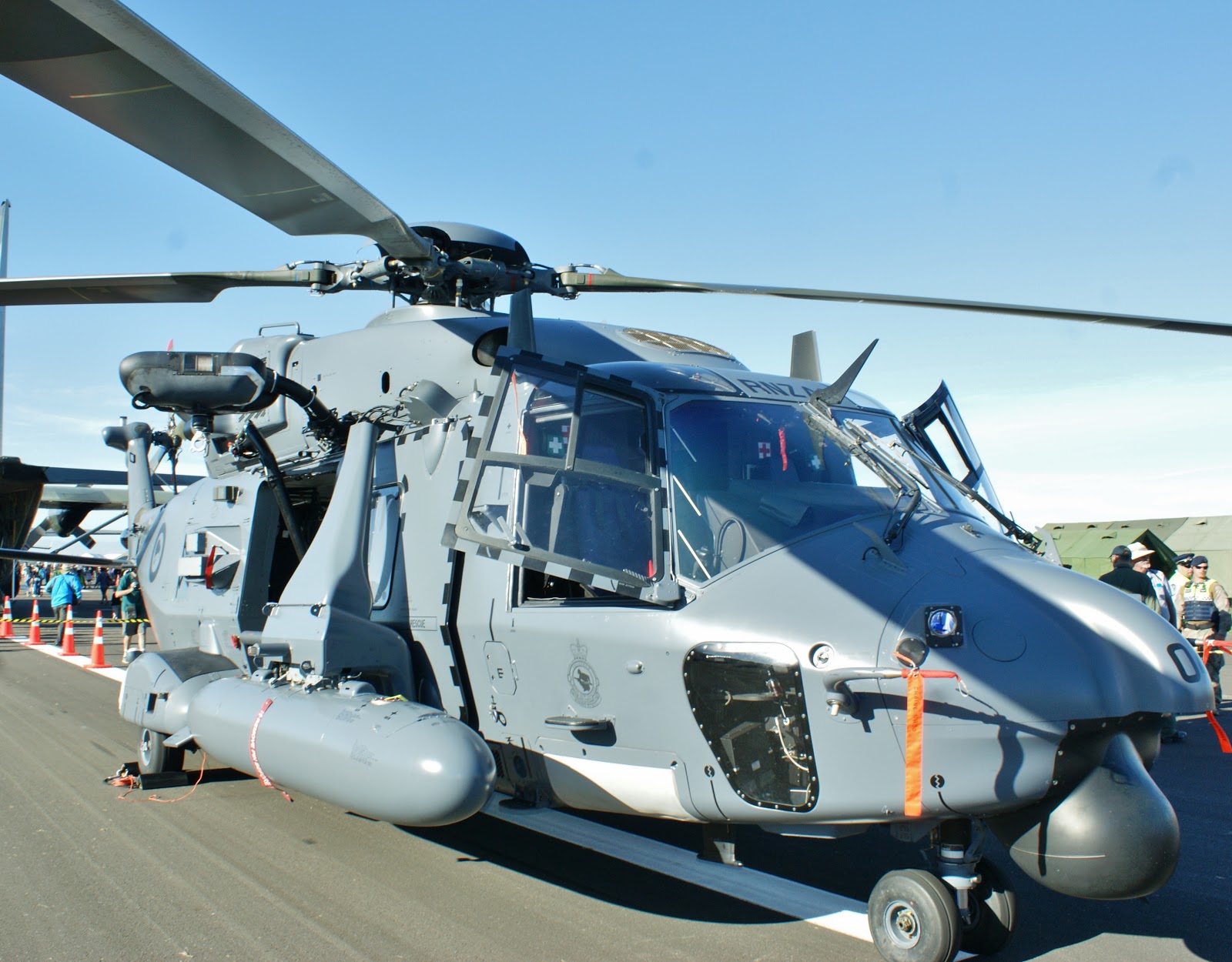


The NH90 is an advanced medium utility helicopter, capable of undertaking a wide variety of roles. It incorporates new and sustainable technologies and represents a substantial improvement on the Iroquois that will provide the NZDF with a contemporary, highly capable and deployable helicopter. The NH90 will be used for frontline military and civil operations.
The RNZAF has eight NH90 helicopters in its fleet.

The NH90 can carry up to 12 fully equipped soldiers or up to 18 lightly equipped troops (allowing for door gunners). It can carry up to 9 stretchers plus medical staff or palletised cargo; it can also lift the Army’s Light Operational Vehicle.

It has the capability to support ground operations, disaster relief, search and rescue, counter-drug operations and counter terrorism. Police, Customs, Maritime NZ, Civil Defence, Foreign Affairs and Trade, NZAID and the Department of Conservation all will be able to make effective use of the NH90.

Aircraft: NH90
Manufacturer: NATO Helicopter Industries (NHI)
Power plant: 2 x Rolls-Royce Turbomecca RTM 322-01/9; 2,227 SHP each)
Length: 19.56m (rotors turning)
Width: 4.62m (fuselage and stabilator)
Height: 5.23m (rotors turning)
Max weight: 10,600kg, can be extend to 11, 000kg in certain operational situations
Max underslung load: 4,000kg
Max speed: 300kph (164kts)
Fuel: 2035 kgs (internal), two 500kg external fuel tanks
Range: 780km (420nm) with internal fuel
Endurance: 4.45 hours on internal fuel
Crew: Two pilots and one or two Helicopter Loadmasters (HLM)
Capacity: Eighteen troops in light order (allowing for door gunners)


Tail assembly folded for transport on naval vessels or road


Kaman SH-2G(I) Super Seasprite

The Kaman SH-2G(I) Super Seasprite is an advanced maritime weapon system and proven day/night/all-weather multi-mission helicopter.  Originally designed to meet the exacting requirements of the U.S. Navy, the SH-2G Super Seasprite has the highest power-to-weight ratio of any maritime helicopter, assuring a safe return-to-ship capability even in single-engine flight conditions. 

It is the largest, most powerful small ship helicopter in use today and is recognized for its mission effectiveness, support, and unmatched performance.  The SH-2G is currently operated by the Royal New Zealand Navy, the Egyptian Air Force and the Polish Navy. 

Its robust design, outstanding stability, and excellent reliability have been proven through more than 1.5 million flight hours. The SH-2G is a multi-mission maritime weapon system designed to fulfill anti-submarine warfare (ASW), anti-surface warfare (ASuW), over the horizon targeting, surveillance, troop transport, vertical replenishment, search and rescue, and utility missions. 


The Kaman SH-2F Seasprite, was operated in the first decade of the 2000s  whilst the SH-2G(NZ) Seasprite helicopters were being built to replace these aircraft. In April 2013, the government approved the purchase of an upgraded and expanded Seasprite helicopter fleet for the NZDF - the SH-2G(I) Super Seasprite helicopter.

No. 6 Squadron is one of the force elements under the command of the Air Component Commander HQ JFNZ (ACC) and remains under full command of the Chief of the Air Force.

Operational command (OPCOM) when ships' flights are required to embark, is assigned by ACC to the Maritime Component Commander (MCC), who will in turn assign operational control (OPCON) to the ship's CO. The squadron is located at RNZAF Base Auckland.

Squadron History
The squadron operates Kaman SH-2G(I) Seasprite helicopters.
To meet NZDF Naval Helicopter Force requirements, the Squadron provides:
  • operational tasks and training for the RNZN.
  • surface warfare missions and surveillance operations.
  • underwater warfare.
  • helicopter delivery services/logistics.
  • day and night search and rescue.
  • medical evacuation.
  • helicopter operational conversion (Seasprite) training for pilots, observers and helicopter crewmen.
  • assistance to other government agencies.

An increase in the fleet from five to eight allows the helicopters to be embarked on the two ANZAC Class Frigates, HMNZS Te Mana and Te Kaha, as well as the offshore patrol vessels HMNZS Otago and Wellington, and the multi-role ship HMNZS Canterbury with aircrew from the RNZN and maintainers from the RNZAF. 
The Squadron is currently annually allocated approximately 1000 flying hours to achieve the stated tasks.

In July 1998, Naval Support Flight moved from their historic home at Hobsonville to the Whenuapai, Auckland air base and on 31 October 2005, was reformed as No. 6 Squadron, RNZAF.

Naval aviation have been involved in a number of operations:

Multi-nation Interdiction Force (1980's, 1996, 1999)
Bougainville and Papua New Guinea (1990's)
East Timor (1999-2000)
Solomon Islands (2000, 2001)
Operation Enduring Freedom (2002, 2003, 2004)


I always find air show sea rescue simulations a little awkward to watch, and this was no exception. Whilst it does display the aircraft's capabilties, it seems just somehow wrong to see someone sitting on a trailerboat being"rescued" on dry land , and then seeing the boat and trailer then being towed away by a ute.


Oldest of NZ's workhorses, the Bell Sioux 
Bell 47G-3B-2 Sioux

The first helicopters to be flown by the RNZAF, six B47G-3B-1 (NZ3701 -NZ3706) were delivered in 1965. Seven B47G-3B-2 (NZ3707 – NZ3713) were purchased in 1968 and delivered during 1970. All Bell 47G-3B-2 have been retired and replaced by the Agusta A109LUH since 2011.
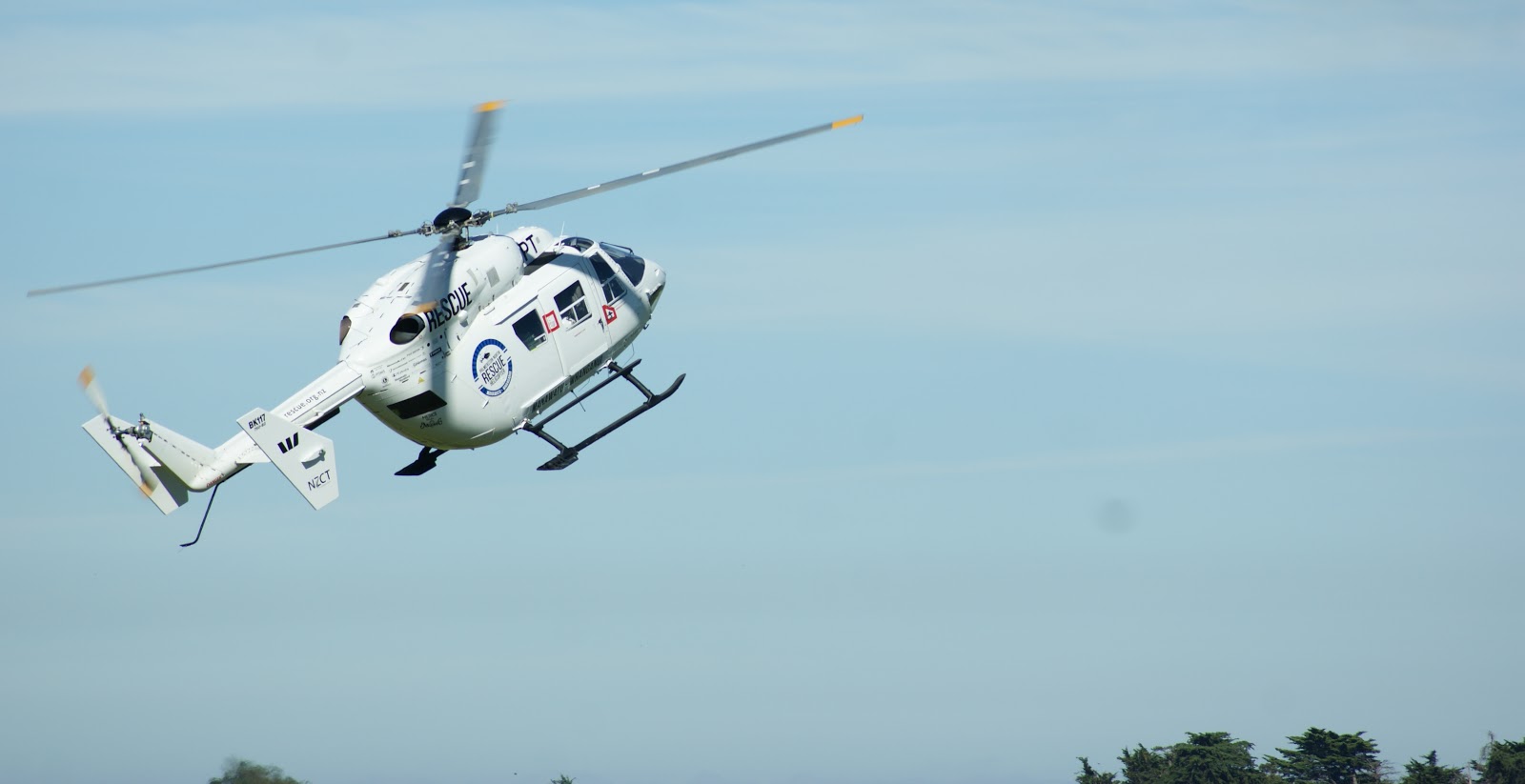

There was also a display of precision flying from some of the many rescue helicopters that do such fantastic life-saving work all over the country. In this case it is ZK-IPT, a Palmerston North based 
Kawasaki BK-117 B-2. Two or three were present at the event.

Saturday, 17 May 2014

SAAF C-47 Dakotas -The Early Days: WW2 and Berlin Air Lift

SAAF Dakotas: WW2 and Berlin Air Bridge - The Early Days


The Douglas C-47 Skytrain or Dakota is a military transport aircraft that was developed from the Douglas DC-3 airliner. It was used extensively by the Allies during World War II and remained in front line operations through the 1950s with a few remaining in operation to this day. 


WW2 SAAF and The Dak - The love affair starts:


The East African Campaign led to the creation of the Shuttle Service operated by 50 (TS) Squadron under the control of 1 Bomber Transport Brigade. The latter unit became 5 Wing in February 1941 and was responsible for the ferrying of troops and supplies to the war front and bringing back wounded. The service was extended to Cairo as the war progressed and eventually through the north of Africa to Bari and Rome by which time Dakotas were in use.

The Shuttle Service was greatly expanded at the war’s end, the intention being the return of all South African troops by Christmas 1945. The Dakotas of 5 Wing were joined by Venturas withdrawn from coastal operations, modified as transports and put into service with 10 Wing at Pietersburg. These two units were assisted by 35 Sqn’s Sunderlands which were also fitted out as transports. Additional Dakotas were provided by 28 Sqn when it returned home from the war zone. By 25 January 1946 some 101 676 passengers had been carried.

The first SAAF Transport squadron in the Mediterranean - 28 Sqn - was formed in May 1943 operation from Tripoli and later Algiers. The second squadron - 44 Sqn - was established in March 1944 and operated from Cairo.

Both units operations Douglas Dakotas as standard equipment although a small number of Wellingtons, Ansons and Beech Expediters were also used.

In October 1945, 28 Sqn was absorbed into the Shuttle Service while 44 Sqn was disbanded in December 1945, and its Dakotas were returned to the RAF.

The first Douglas C-47 Dakota to serve with the SAAF was delivered to 44 Squadron in Cairo on 27 April 1944 and served with the squadron until 1992 when they were replaced by converted C-47TP versions. 


WW2 North Africa/Med Camo SAAF C-47

SAAF Dak in East Africa


Troups enroute back to SA


Curiosity: Not a Dak, but a Captured JU 52 in SAAF colours

6856


Distinguished SAAF Dakota passengers: 
Prof JLB Smith, Mr Lattimer and the Coelecanth
More about the Coelecanth: Old Four-Legs

The Berlin Air Lift


In 1948, the relations between the Western Allies and their Soviet counterparts had deteriorated to such a degree that the Soviets instituted a blockade on all rail, road and water canal links into West Berlin, situated 177 km (110 miles) into Soviet occupied Germany. The only way into Berlin was via three air corridors agreed upon at the Potsdam Conference in 1945.


The Berlin Wall being built


 It was decided to sustain the population of West Berlin by air, a feat that the Soviet Union had never anticipated. Thus, the Berlin airlift began on 24 June 1948.
The SAAF supplied 20 aircrews for the Berlin Airlift, with the crews flying to Britain in Dakotas via east Africa, Egypt and Malta, a journey that took five days. They then joined the Royal Air Force in flying sorties into Berlin. The SAAF crews flew 2 500 sorties and carried a total of 8 333 tons of humanitarian aid while flying RAF Dakotas.


The sorties were flown from Lubeck in West Germany into RAF Gatow in West Berlin. In addition to this, civilian members in need of evacuation from occupied Berlin were carried on return trips to Lubeck, especially orphaned children who were placed with families in the West. It was here that modern air traffic control procedures were developed.

In all, during the 406 days of the Berlin Airlift, American, British and Commonwealth air crews carried out 300 000 flights and transported two million tons of supplies.
The Soviet blockade Berlin was lifted at one minute after midnight, on 12 May 1949.
Flights continued for some time, though, to build a comfortable surplus. By 24 July 1949, a three-month surplus was built-up, ensuring that the airlift could be re-started with ease if needed. The Berlin Airlift officially ended on 30 September 1949, after fifteen months.


Communications
There were four different means of entering Berlin from the West: by river and canal barges; road transport; the railways; and three air corridors which traversed the Soviet zone of occupation. While there was a written agreement with the Soviets regarding the use of the air corridors, nothing existed in writing about access to Berlin by any of the surface routes.


The central air control zone for Berlin covered a 20 mile (32 km) radius from the centre of the city and was under Four Power control. Most air routes into the city's existing airfields required some flying over the Soviet Sector of Berlin, as well as traversing well over 100 miles (160 km) of Soviet-occupied Germany. The North and Central Air Corridors came from the British zone of occupation and the South Air Corridor from the American zone.

First map
Air communications with Berlin 1948-9
High resolution pdf version of map


At the start of the airlift, West Berlin had two airfields which were situated twelve kilometres apart: Tempelhof (in the American Sector) was the original aerodrome of Berlin; and Gatow (in the British Sector) was a grass airfield which had originally been used for training and had a short runway of perforated steel planking (PSP). To augment these rather inadequate facilities, a third airfield, Tegel, was built in the French Sector during the Airlift by some 19 000 Berliners using rubble from bombed buildings. The necessary heavy construction machinery was transported into Berlin in small pieces in an unusual-looking aircraft, the Bristol Wayfarer. These aeroplanes were designed to carry cars across the English Channel and had an elevated cockpit situated above large doors in the nose, through which the parts of these heavy machines were able to pass. The appearance of these ungainly-looking aircraft with their fixed undercarriages led to many jokes amongst the American airlift aircrews, who nicknamed them the 'Mayflowers'.


The airlift begins
On 26 June, the United States Air Force and the Royal Air Force (RAF) began the Airlift, using a few DC3 Dakota aircraft (known in the US Air Force as the C47). These aeroplanes were capable of lifting only three tons on each flight and, on the first day of operations, only eighty tons of supplies arrived in Berlin. (The minimum amount required to sustain the city was initially calculated at 5 000 tons per day, 150 000 tons per month). Fortunately the Western powers in Berlin had begun stockpiling when the Soviets had commenced their harrassing tactics and therefore, when the blockade began, there were sufficient supplies in Berlin to last, on average, six to eight weeks.
Civilian rations were reduced to 1 000 calories per person per day
    The American airlift was called 'Operation Vittles' (after an old English word for 'food') and they provided the lion's share of the aircraft. Some 441 American aircraft were used in total and they carried over three-quarters of the entire load into Berlin. British and Commonwealth air forces supplied 147 aircraft and carried 17% of the load, whilst British civil operators provided a further 104 aircraft and lifted just over six per cent of the load. At the commencement of the Airlift, many countries of the British Commonwealth, including South Africa, offered their assistance. With the exception of the Canadians, these Commonwealth countries provided crews to fly RAF aircraft. South Africa sent ten complete Dakota crews, who flew for almost the whole period of the Airlift alongside their RAF colleagues.
    In the first month of the Airlift, a total of 70 241 tons of supplies was flown in to Berlin, just under half of the minimum needs of the city. By the end of the Airlift, the monthly total had risen to over 250 000 tons and this was probably one of the main contributing factors that convinced the Soviets that there was no future in maintaining the blockade. Compared with the amount of cargo which had to be moved, the capacity of the aircraft used in the Airlift necessitated a staggering number of flights. The Dakotas could carry only three tons, the Wayfarers five and a half tons and the Yorks, Skymasters, Hastings, Tudors and flying boats between eight and ten tons each. The aircrews themselves made a number of recommendations regarding the removal of standard fittings like oxygen equipment and dinghies, which were not considered necessary.

    During the Airlift, the British and the Americans shared the three air corridors permitted under the original four-power agreement. Aircraft based in the British zone entered Berlin along the Northern Air Corridor and the American aircraft came in along the Southern Corridor. Aircraft leaving Berlin generally used the Central Corridor. However, some British aircraft that were based very far north in their zone, also left along the Northern Corridor. Since the Americans provided the largest number of the aircraft and their bases were the furthest from Berlin, the British made two of their airfields at Celle and Fassburg in the centre of Germany available for use by the Americans, thereby greatly reducing their flying time, and also allowed them to share the Northern Corridor.

    Flying boats
    A unique aircraft type, probably unknown to most people today, were the 'flying boats' which were also used during the Airlift. These aircraft were once a familiar sight to South Africans - operating on the air routes between the Union and Britain before and immediately after the Second World War. During the Airlift, flying boats operated from the marine base of Finkenwerder on the River Elbe on the outskirts of Hamburg to a base on the Havel See (Havel Lake) in Berlin. Apart from increasing the number of available aircraft, the flying boats were also used to carry most of the salt supplies, as their hulls had been treated against the corrosive effects of the salt water on which they normally landed.


     (Land-based aircraft, lacking this anti-corrosion treatment, soon showed dangerous levels of corrosion due to salt cargo spillages and seepage. Having no night landing aids the flying boats operated only in the daytime from July until December 1948, when the Havel See became covered with ice. They did not resume operation after the Spring thaw.

    Harrassment
    Throughout the Airlift, the Soviets used a variety of means to harrass the air crews and to work on their fatigued nerves. For example, Soviet fighter aircraft played 'chicken' with the heavily-laden transports and carried out air-to-ground firing exercises with live ammunition very close to the corridors. The Soviet Army's anti-aircraft batteries also used live ammunition in exercises which took place as close as possible to the boundaries of the corridors and they flew barrage balloons alongside the corridors and held seeming endless conversations on the radio frequencies allocated to the Allied aircraft.


    Discomfort of the crews
    Apart from the fatigue caused by flying a number of operations daily under the most arduous of conditions, the crews lived in great discomfort. Their accommodation was either close to the airfields where the noise of the continuous flying operations made rest and sleep difficult, or they lived some distance away, requiring travelling between airfield and base which cut badly into their rest intervals. Furthermore, coal (the major cargo item) and flour produced prodigious quantities of dust which clogged flying controls and permeated the clothes of the air crews.

    Berlin children
    Conditions in occupied Germany were very severe and many people were reduced to begging. This was especially true of the children, who would follow the servicemen, calling out 'Got any gum, chum?' (probably the first words of English that they learned). A young American pilot, Lieutenant Gail Halvorsen, was sent on a familiarisation flight to Templehof and went on foot around the airfield to learn the approaches. He noticed a group of children who were standing at the fence close to the end of the runway and who were watching the aircraft coming in to land. Strangely, they did not beg when they saw him. Searching his pockets, Halvorsen found a few sticks of gum and a chocolate bar which he divided amongst some of them and promised that, if they were there the next day, he would drop some candy to them when he came in to land. When the children asked how they would know his aircraft, he told them that he would waggle his wings during his approach.


    Returning to his base, Lt Halvorsen made several small parachutes out of a large supply of handkerchiefs which he had bought for a heavy cold. To each he attached a chocolate bar. On reaching Berlin the next morning he found the end of the runway crowded with children. His flight engineer dropped the little parachutes out of the flare chute and they were eagerly grabbed by the waiting children. This procedure was repeated every day and soon many Airlift crews joined in what became known as 'Operation Little Vittles'.

    Der Schokoladenflieger
    Halvorsen received two nicknames - 'Der Schokoladenflieger' (the chocolate pilot) and 'Uncle Wigglywings' - and German children sent him so much fan mail that his commanding officer had to provide him, a junior officer, with a German-speaking secretary to handle the replies. At Christmas Halvorsen received over 4 000 Christmas cards!


     Halvorsen meeting the kids for the first time

    When children from the Soviet Sector of Berlin wrote and complained that they were being left out, Halvorsen and his comrades started dropping chocolates over the eastern sector as well, until the Soviet authorities ordered this to cease. The trail of little parachutes eventually became a danger to approaching aircraft and an official 'dropping zone' was established over open ground in the Tiergarten Park.

    The Air Police at the US bases began to offer minor offenders the choice of a fine or a contribution of chocolate for 'Operation Little Vittles'. Halvorsen himself was sent back to the USA on a public relations tour. He received thousands of handkerchiefs in the post, some with lace edges, drenched with perfume and with the donors' telephone numbers on them.


    In May 1998, the US Air Force sent one of its few surviving C54 Skymaster aircraft to Berlin to take part in the 50th anniversary celebrations. Gail Halvorsen was a member of the crew for this flight.

    In 1948, the Operation "little Vittles", gave hope to Berlin people by dropping  around 23 tons of chocolates and candies over Germany. This operation was begun by Gail Halvorsen.

    Reducing weight
    Various measures were taken to reduce the mass of the supplies which were being flown into Berlin during the Airlift. Known for their great love of potatoes, which they served up in a large variety of ways, the Berliners did not much like the dehydrated potato powder called 'Pom', with which they were supplied. However, as this cut down some 780 tons daily, the housewives of Berlin made the best of the situation with a saying: 'Better Pom than Frau komm!' As water makes up a quarter of the weight of bread, the ingredients were flown in and the bread was baked inside Berlin, while meat was de-boned to reduce its weight by 25%. In this way, Berlin's food requirements were successfully reduced from 2 000 tons to 1 000 tons a day.

    The end of the blockade
    The Soviets realised that they were neither going to be able to drive the Allies out of Berlin nor stop the Airlift. Tunner's Easter Parade demonstration had coincided with the signing of the North Atlantic Treaty which bound twelve countries together in a defence pact. In addition, the Allies had started turning back all trucks passing through the western zones of Germany, which were destined for the East, and so the Soviet zone was being starved of essential raw materials like coal and iron from the Ruhr.

    On 12 May 1949, the blockade of Berlin was finally lifted. The Soviets tried to impose farther technical restrictions on movements from the West into Berlin but these were soon brushed aside by the Allies. In order to rebuild the stockpiles in West Berlin, the airlift continued for several months. British civil aircraft were finally withdrawn on 16 August and the RAF on 23 September, a few days after the SAAF crews had returned home.

    Statistics
    The statistics of the Airlift are as follows:
    Estimated cost: US$ 200 million (For a reasonable present day comparison, this figure should be multiplied by at least 100)
    Total number of aircraft used: 692
    Total distance flown: 124 420 813 miles (equivalent to thirteen round trips to the moon or 4 000 times around the world)
    Total number of flights: 277 804
    Total tonnage into Berlin: 2 352 809
    Coal: 1 586 530 tons (67%)
    Food: 538 016 tons (23%)
    Liquid fuel: 92 282 tons (4%)
    Casualties: 65 men lost their lives -
      31 Americans
      8 RAF
      11 British civilian crew
      5 Germans
    A monument representing the Air Bridge stands in the west of Berlin and is inscribed with the names of those who died. In addition, the people of Berlin raised a fund to secure the education and the futures of all the children of those who gave their lives for their city.


       Air Bridge Memorial

    The last RAF flight
    The last RAF flight from LĂ¼beck landed at Gatow at 19.22 on 23 September 1949. The Dakota, appropriately carrying a load of coal, was inscribed with the following words:
    'Positively the last load from LĂ¼beck - 73 705 tons - Psalm 21 verse 11'. (In the King James version of the Bible, this verse reads: 'For they intended evil against thee, they imagined a mischevious device which they were not able to perform' - perhaps a suitable epitaph for the Berlin Airlift).

    SOURCES
    Collier, R, Bridge across the Sky (Macmillan, London, 1978)
    Jackson, R, The Berlin Airlift (Patrick Stephens, Wellingborough, 1988)
    Maree, B, 'The Berlin Airlift' in South African Panorama, December 1988, pp 14-18.
    Morris, E, Blockade, Berlin & the Cold War (Military Book Society, London, 1973)
    Personal reminiscences of Maj Gen Duncan Ralston; Col Peter MacGregor; and Capt Anthony Speir.

    Amelia Earhart's sad demise

    Dozens heard Amelia Earhart's final, chilling pleas for help, researchers say Distilled from 2 posts in the  Washington Post a...