Showing posts with label RNZAF. Show all posts

Tuesday, 11 April 2017

Start of the drip-feed: Arrival at Ohakea and line-up of NZ choppers

Pictures from an exhibition: 

Ohakea Air Show: New Zealand Choppers


So I've been wondering how to share the literally hundreds of photos I took at the Air Tattoo. Decided to go with themes, and how the day unwound. So the first thing I saw was a line-up of NZ Choppers. So let's start here:


Line-up of active helicopter types in the RNZAF: 
Seasprite SH2-G(I), A109 LUH and NH 90s lined up at Ohakea Air Base


AugustaWestland A109 Light Utility Helicopter

The Helicopter Transition Unit is responsible for the operational testing and introduction of the new A109 training and light utility and NH90 medium utility helicopters which are replacing the Bell Iroquoiss.

The RNZAF has five new state-of-the-art AgustaWestland A109 Light Utility Helicopters (A109LUH). They are a lightweight, twin-engine aircraft with a modern glass cockpit and a retractable wheeled undercarriage.

The A109LUH is part of the Defence Force helicopter training system that includes computer based training, a virtual interactive procedural trainer, a simulator and helicopter. This provides the Defence Force with a cost effective means of training aircrew prior to operational conversion onto the NH90 or SH-2G helicopters. In addition to its training role, the A109LUH will be used in various operational roles.

Manufacturer: AgustaWestland, Italy
Power plant: Two Turbomeca Arrius 2K2 turboshaft engines capable of producing 609 Shaft horse power (SHP) each. The transmission system is rated for a maximum of 900 Shp (normally 450 Shp x 2)
Length: 12.939m
Fuselage Length: 11.429m
Rotor diameter: 10.830m
Height: 3.421m
Empty weight: 2200kg
Undercarriage: Retractable tricycle (wheeled)
Maximum take-off weight: 3175kg (3200kg with external load)
Useful load on cargo hook: 400kg
Rescue hoist: Can lift 270kg or two people
Max cruise speed: 285kph
Normal ferry range: 650km
Normal endurance: 3 hours 30 minutes
Crew: Two pilots, one helicopter crewman
Seating: The A109LUH has two pilot seats and a maximum of six seats in the rear cabin
Equipment: Glass cockpit (fully Night Vision Goggle compatible) with moving map, advanced flight management system, four-axis autopilot, fitted with radios for interoperability with the Defence Force, other military partners and civil agencies, Nightsun searchlight, emergency floats
Armament: Single pintle mounted 7.62mm MAG 58 Machine Gun
Protection: Full cockpit and rear cabin ballistic protection

(Information from RNZAF Official website)


A109 LUH In-flight display


A109 LUH Static display


Grand ol' dame: Bell Iroquis on static display


Bell UH-1H Iroquois

The RNZAF has retired its fleet of 16 Iroquois helicopters as of 1 July 2015
The first delivery was five UH-1D in 1966 followed in 1970 by nine UH-1H and one more UH-1H in 1976. All of the UH-1D aircraft were upgraded to 1H specification during the 1970s.


Two ex-US Army UH-1H attrition air frames were purchased in 1996, one of which is still  in service. Three aircraft have been lost in accidents.

Capacity is nine passengers or five troops with full packs or seven troops in light order. Equipment included a rescue winch, nightsun searchlight and night vision goggle capability. Armament was the M60 7.62mm, replaced by the MAG58 7.62mm.


The NH-90s took over all official duties on 1 July 2015. 10 Bell UH-1H air frames were advertised for sale to domestic and international purchasers and the remaining three air frames will be donated to museums around New Zealand.

On the 2 March 2016, after a successful tender acquisition, the Iroquois helicopter fleet was shipped to Dakota Air Parts International, warehouse in Phoenix, Arizona. Six of the ten helicopters remain in a airworthy condition.


3 Sq RNZAF NH 90's


NH Industries NH90

The NH Industries NH90 was chosen as the primary replacement helicopter for the Bell UH-1H. 

The NH-90 are used to support the NZ Army, NZ Police, New Zealand Department of Conservation, assist with search and rescue, VIP duties, and heavy lifting. 
Nine NH-90 were acquired for NZ $70 million a helicopter in 2007 and deliveries began in 2012 with the first two helicopters arriving at RNZAF Base Ohakea. The NH-90 took over all official duties from the Bell UH-1H on 1 July 2015.


Tail assembly NZ3304 NH90 of 3 Squadron RNZAF


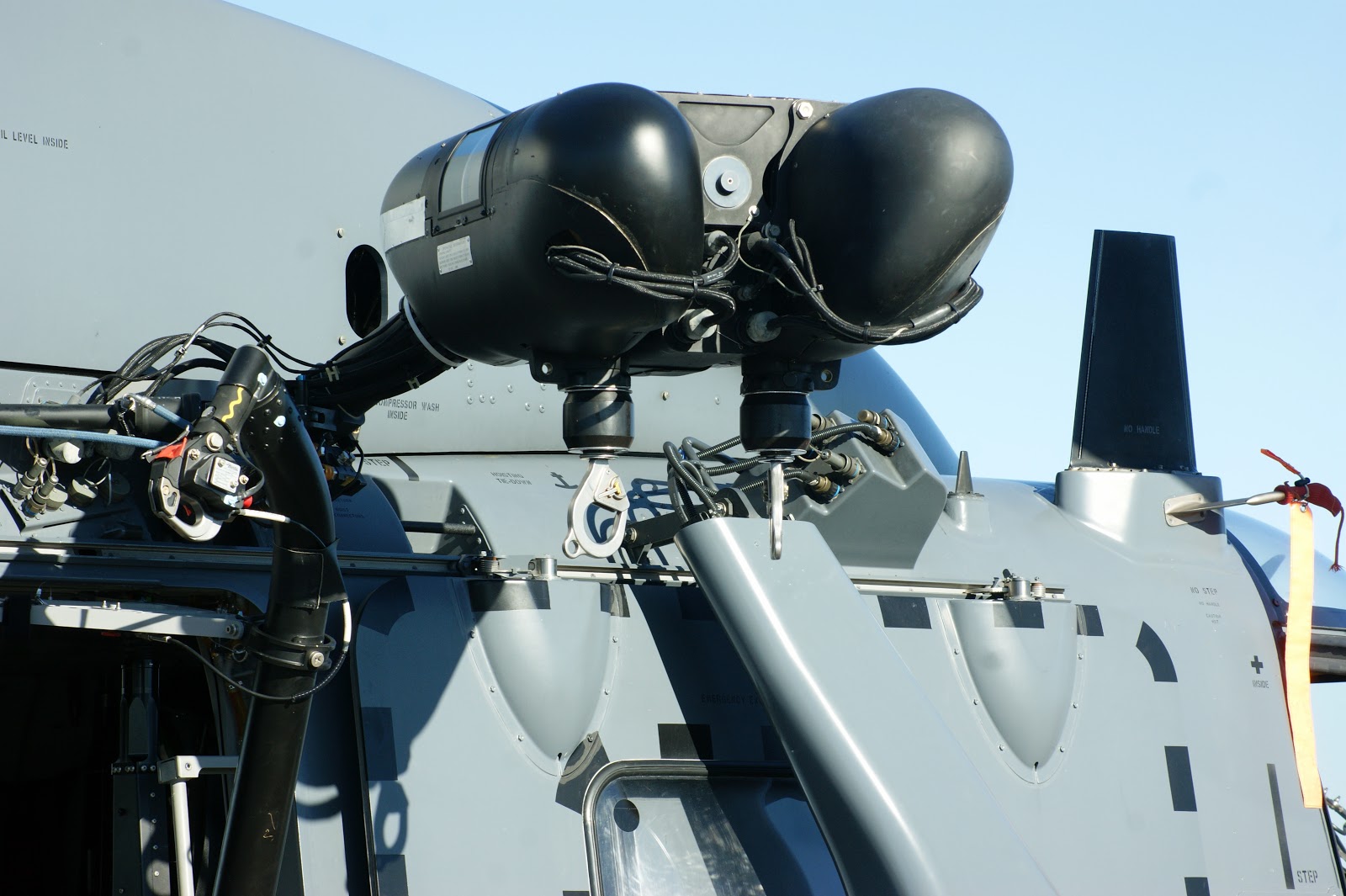
Winching gear
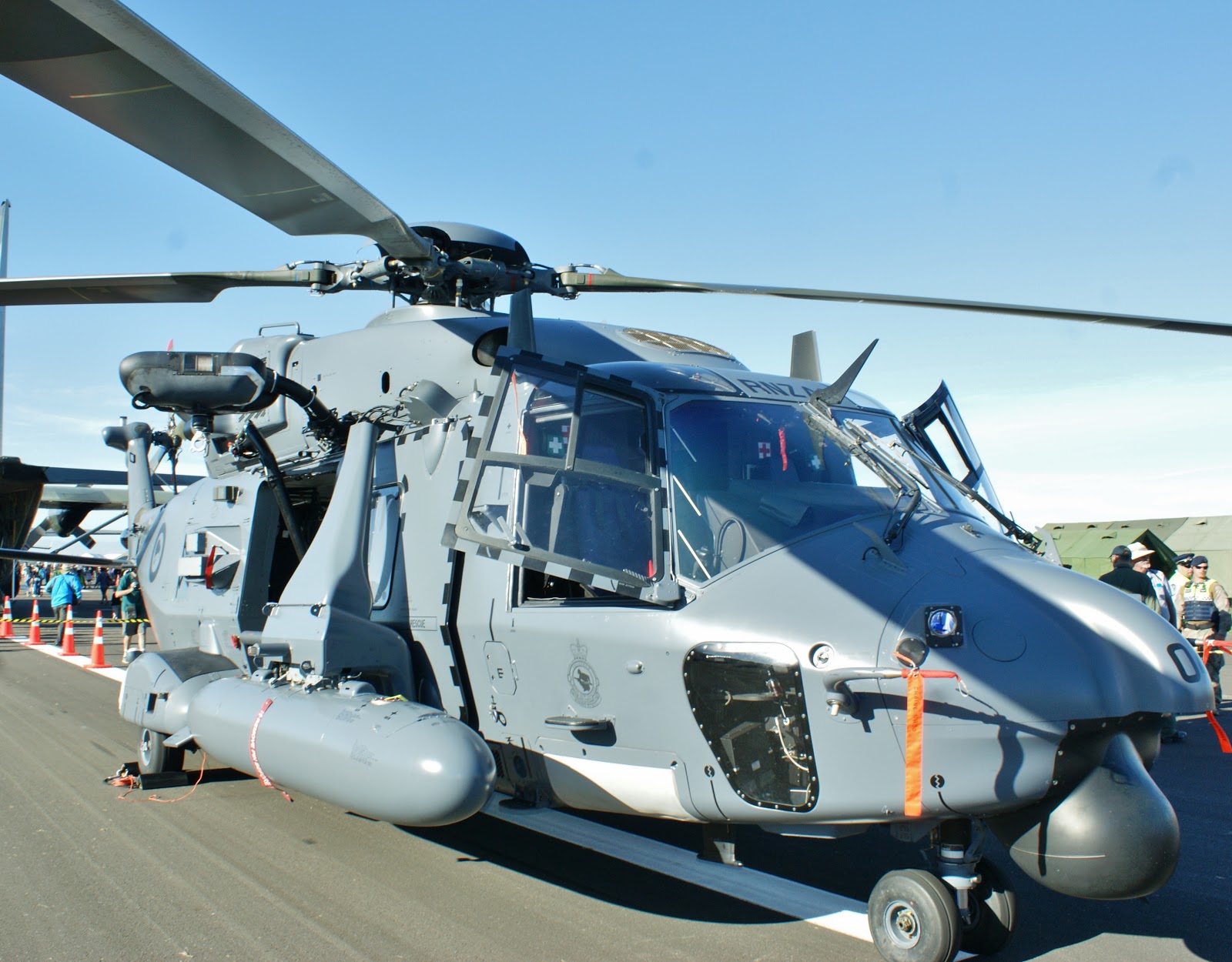


The NH90 is an advanced medium utility helicopter, capable of undertaking a wide variety of roles. It incorporates new and sustainable technologies and represents a substantial improvement on the Iroquois that will provide the NZDF with a contemporary, highly capable and deployable helicopter. The NH90 will be used for frontline military and civil operations.
The RNZAF has eight NH90 helicopters in its fleet.

The NH90 can carry up to 12 fully equipped soldiers or up to 18 lightly equipped troops (allowing for door gunners). It can carry up to 9 stretchers plus medical staff or palletised cargo; it can also lift the Army’s Light Operational Vehicle.

It has the capability to support ground operations, disaster relief, search and rescue, counter-drug operations and counter terrorism. Police, Customs, Maritime NZ, Civil Defence, Foreign Affairs and Trade, NZAID and the Department of Conservation all will be able to make effective use of the NH90.

Aircraft: NH90
Manufacturer: NATO Helicopter Industries (NHI)
Power plant: 2 x Rolls-Royce Turbomecca RTM 322-01/9; 2,227 SHP each)
Length: 19.56m (rotors turning)
Width: 4.62m (fuselage and stabilator)
Height: 5.23m (rotors turning)
Max weight: 10,600kg, can be extend to 11, 000kg in certain operational situations
Max underslung load: 4,000kg
Max speed: 300kph (164kts)
Fuel: 2035 kgs (internal), two 500kg external fuel tanks
Range: 780km (420nm) with internal fuel
Endurance: 4.45 hours on internal fuel
Crew: Two pilots and one or two Helicopter Loadmasters (HLM)
Capacity: Eighteen troops in light order (allowing for door gunners)


Tail assembly folded for transport on naval vessels or road


Kaman SH-2G(I) Super Seasprite

The Kaman SH-2G(I) Super Seasprite is an advanced maritime weapon system and proven day/night/all-weather multi-mission helicopter.  Originally designed to meet the exacting requirements of the U.S. Navy, the SH-2G Super Seasprite has the highest power-to-weight ratio of any maritime helicopter, assuring a safe return-to-ship capability even in single-engine flight conditions. 

It is the largest, most powerful small ship helicopter in use today and is recognized for its mission effectiveness, support, and unmatched performance.  The SH-2G is currently operated by the Royal New Zealand Navy, the Egyptian Air Force and the Polish Navy. 

Its robust design, outstanding stability, and excellent reliability have been proven through more than 1.5 million flight hours. The SH-2G is a multi-mission maritime weapon system designed to fulfill anti-submarine warfare (ASW), anti-surface warfare (ASuW), over the horizon targeting, surveillance, troop transport, vertical replenishment, search and rescue, and utility missions. 


The Kaman SH-2F Seasprite, was operated in the first decade of the 2000s  whilst the SH-2G(NZ) Seasprite helicopters were being built to replace these aircraft. In April 2013, the government approved the purchase of an upgraded and expanded Seasprite helicopter fleet for the NZDF - the SH-2G(I) Super Seasprite helicopter.

No. 6 Squadron is one of the force elements under the command of the Air Component Commander HQ JFNZ (ACC) and remains under full command of the Chief of the Air Force.

Operational command (OPCOM) when ships' flights are required to embark, is assigned by ACC to the Maritime Component Commander (MCC), who will in turn assign operational control (OPCON) to the ship's CO. The squadron is located at RNZAF Base Auckland.

Squadron History
The squadron operates Kaman SH-2G(I) Seasprite helicopters.
To meet NZDF Naval Helicopter Force requirements, the Squadron provides:
  • operational tasks and training for the RNZN.
  • surface warfare missions and surveillance operations.
  • underwater warfare.
  • helicopter delivery services/logistics.
  • day and night search and rescue.
  • medical evacuation.
  • helicopter operational conversion (Seasprite) training for pilots, observers and helicopter crewmen.
  • assistance to other government agencies.

An increase in the fleet from five to eight allows the helicopters to be embarked on the two ANZAC Class Frigates, HMNZS Te Mana and Te Kaha, as well as the offshore patrol vessels HMNZS Otago and Wellington, and the multi-role ship HMNZS Canterbury with aircrew from the RNZN and maintainers from the RNZAF. 
The Squadron is currently annually allocated approximately 1000 flying hours to achieve the stated tasks.

In July 1998, Naval Support Flight moved from their historic home at Hobsonville to the Whenuapai, Auckland air base and on 31 October 2005, was reformed as No. 6 Squadron, RNZAF.

Naval aviation have been involved in a number of operations:

Multi-nation Interdiction Force (1980's, 1996, 1999)
Bougainville and Papua New Guinea (1990's)
East Timor (1999-2000)
Solomon Islands (2000, 2001)
Operation Enduring Freedom (2002, 2003, 2004)


I always find air show sea rescue simulations a little awkward to watch, and this was no exception. Whilst it does display the aircraft's capabilties, it seems just somehow wrong to see someone sitting on a trailerboat being"rescued" on dry land , and then seeing the boat and trailer then being towed away by a ute.


Oldest of NZ's workhorses, the Bell Sioux 
Bell 47G-3B-2 Sioux

The first helicopters to be flown by the RNZAF, six B47G-3B-1 (NZ3701 -NZ3706) were delivered in 1965. Seven B47G-3B-2 (NZ3707 – NZ3713) were purchased in 1968 and delivered during 1970. All Bell 47G-3B-2 have been retired and replaced by the Agusta A109LUH since 2011.
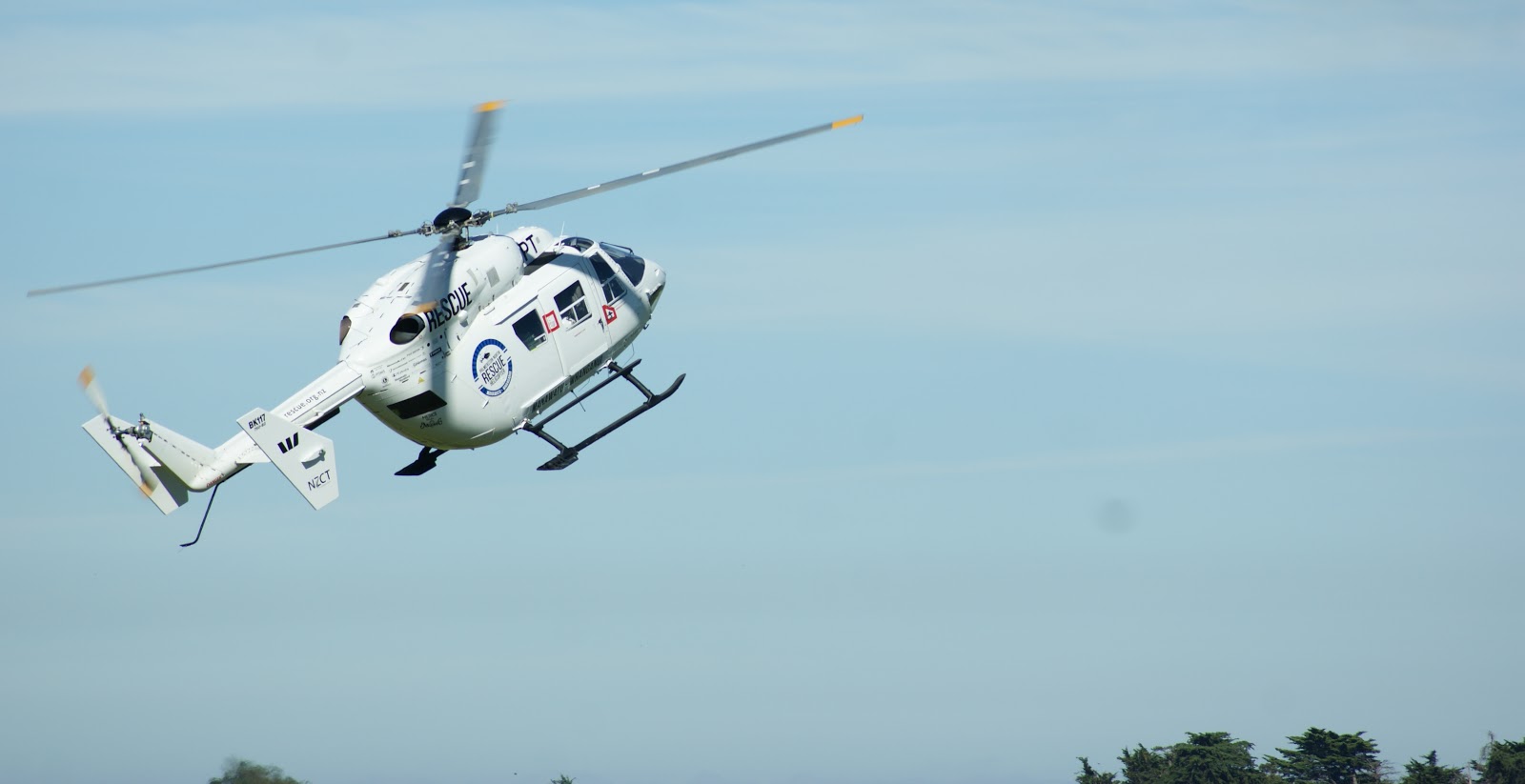

There was also a display of precision flying from some of the many rescue helicopters that do such fantastic life-saving work all over the country. In this case it is ZK-IPT, a Palmerston North based 
Kawasaki BK-117 B-2. Two or three were present at the event.

Thursday, 30 March 2017

RNZAF 80th Anniversary Air Tattoo

The Royal New Zealand Air Force (RNZAF) celebrated its 

80th anniversary with an

Air Tattoo at RNZAF Base Ohakea 

 25-26 February 2017.


The two day event focused on military aircraft and featured an international Air Force contingent.Aircraft from a number of nations were present. What a feast for aviation enthusiasts.

The event also showcased the Black Falcons aerobatic team flying the T-6C Texan trainers, and many static displays that provided an opportunity to see, and understand, the work of the New Zealand Air Force.


RAAF F18 taxi at Ohakea

I attended with the Jensen Family. Wayne and Sarah came down from Auckland, Sarah's dad came up from Wellington, and George, a retired pilot himself lives in Kapiti. I went completely snap-happy, and wandered around in a contented daze, giving my shutter finger a workout like it has not had in some time. Thank goodness for digital photography. In the old days I would have needed a trailer for all the film!


I too so many photos that it may be best to share them in batches. When the camera's second battery eventually died, I had to switch to my cellphone, which also eventually surrendered under the onslaught. Thought 'd share a couple of photos and some video first !


F18s coming to rest


Tuesday, 25 November 2014

Happy Birthday DH 98 Mosquito !

Seventy-four years ago today, the de Havilland DH.98 Mosquito took flight for the first time.

One of the most useful Allied aircraft of World War II, the Mosquito performed as a bomber, fighter, anti-shipping and photo-reconnaissance platform.  The key to the success of the “Wooden Wonder” was its light wood construction and the power of its twin Merlin engines, which gave it the speed to out-fly almost every other aircraft type of the war.  Nicknamed the “Mossie” by its crews, the Mosquito could fly virtually unchallenged and deliver devastatingly precise attacks with bombing radar.
 
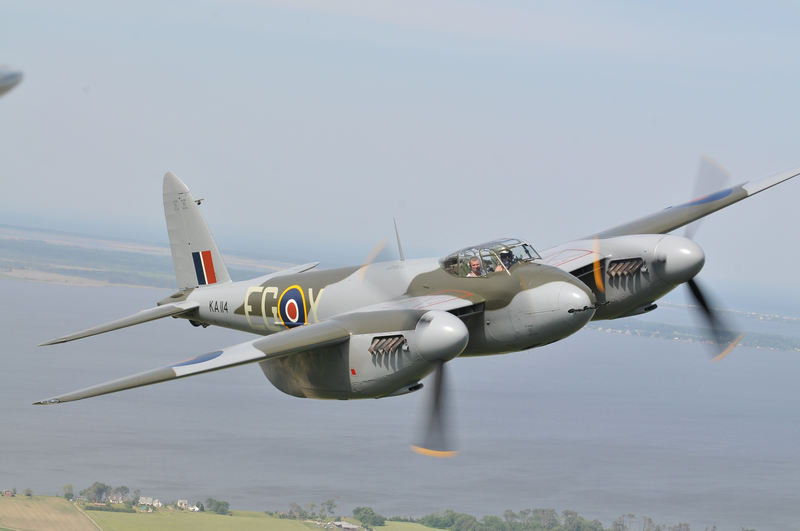
Photo by Luigino Caliaro


Production of all Mosquitoes totaled 7,781 and the DH.98 served with over a dozen nations.  A Mosquito became the first twin-engine aircraft to land on a ship on March 25, 1944, aboard the Royal Navy aircraft carrier HMS Indefatigable.

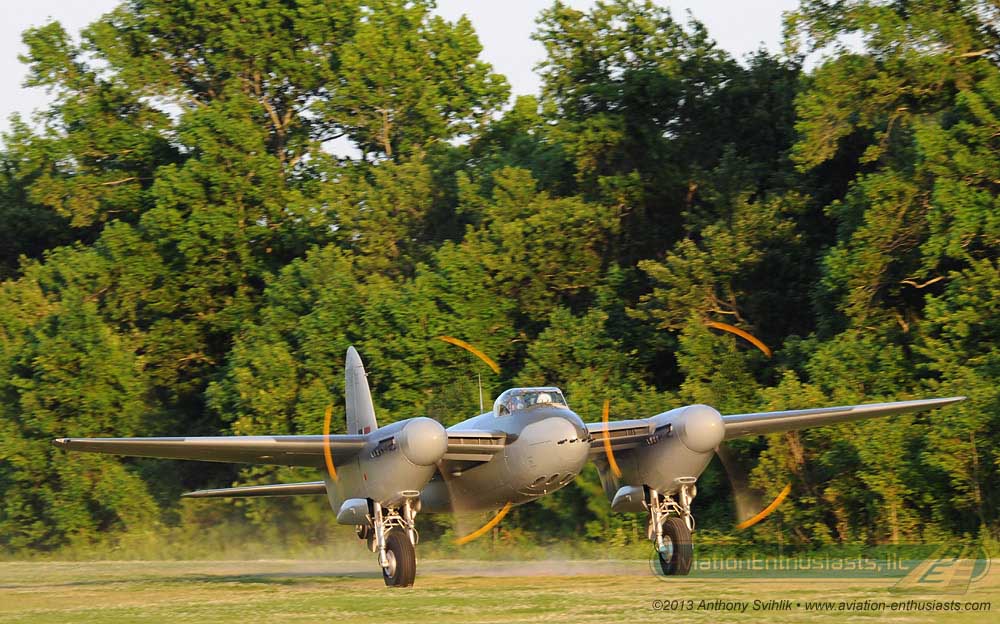
dh98_proms_2013_001

Here is a photo of the DH.98 Mosquito from the Military Aviation Museum in Virginia Beach, Virginia taking-off during the 2013 Flying PROMS airshow.

This Mosquito was built in Canada in 1945 but never saw combat during the war.  The Military Aviation Museum acquired the aircraft in 2004 and it was shipped to New Zealand to undergo an eight-year restoration.  The restored aircraft made its first flight  (clicky) here in New Zealand in September 2012 and arrived back at the Military Aviation Museum in March 2013.  It is painted as EG-Y to replicate the No. 487 (NZ) Squadron of the Royal New Zealand Air Force as a tribute to those responsible for the restoration.

Wiki: The de Havilland DH.98 Mosquito was a British multi-role combat aircraft with a two-man crew that served during and after the Second World War. It was one of few operational front-line aircraft of the era constructed almost entirely of wood and was nicknamed "The Wooden Wonder".

 The Mosquito was also known affectionately as the "Mossie" to its crews. Originally conceived as an unarmed fast bomber, the Mosquito was adapted to roles including low to medium-altitude daytime tactical bomber, high-altitude night bomber, pathfinder, day or night fighter, fighter-bomber, intruder, maritime strike aircraft, and fast photo-reconnaissance aircraft. It was also used by the British Overseas Airways Corporation (BOAC) as a fast transport to carry small high-value cargoes to, and from, neutral countries, through enemy-controlled airspace.

When the Mosquito began production in 1941, it was one of the fastest operational aircraft in the world. Entering widespread service in 1942, the Mosquito was a high-speed, high-altitude photo-reconnaissance aircraft, continuing in this role throughout the war. From mid-1942 to mid-1943 Mosquito bombers flew high-speed, medium or low-altitude missions against factories, railways and other pinpoint targets in Germany and German-occupied Europe. From late 1943, Mosquito bombers were formed into the Light Night Strike Force and used as pathfinders for RAF Bomber Command's heavy-bomber raids. They were also used as "nuisance" bombers, often dropping Blockbuster bombs - 4,000 lb (1,812 kg) "cookies" - in high-altitude, high-speed raids that German night fighters were almost powerless to intercept.

As a night fighter, from mid-1942, the Mosquito intercepted Luftwaffe raids on the United Kingdom, notably defeating Operation Steinbock in 1944. Starting in July 1942, Mosquito night-fighter units raided Luftwaffe airfields. As part of 100 Group, it was a night fighter and intruder supporting RAF Bomber Command's heavy bombers and reduced bomber losses during 1944 and 1945.

 As a fighter-bomber in the Second Tactical Air Force, the Mosquito took part in "special raids", such as the attack on Amiens Prison in early 1944, and in precision attacks against Gestapo or German intelligence and security forces. Second Tactical Air Force Mosquitos supported the British Army during the 1944 Normandy Campaign. From 1943 Mosquitos with RAF Coastal Command strike squadrons attacked Kriegsmarine U-boats (particularly in the 1943 Bay of Biscay, where significant numbers were sunk or damaged) and intercepting transport ship concentrations.

The Mosquito flew with the Royal Air Force (RAF) and other air forces in the European, Mediterranean and Italian theatres. The Mosquito was also operated by the RAF in the South East Asian theatre, and by the Royal Australian Air Force (RAAF) based in the Halmaheras and Borneo during the Pacific War.

Monday, 23 June 2014

Happy 60th Birthday A-4 Skyhawk! Close to NZ's heart

22 June : Sixty years ago today, the McDonnell Douglas A-4 Skyhawk took flight for the first time. 


 A classic of Naval Aviation, the A-4 was an extraordinary aircraft.  The legendary Ed Heinemann created the Skyhawk at one-half of the weight allowed and the type remained in production for over 20 years.  The A-4 became the most impressive conventional bomber of its era, flying like a fighter but capable of bombing targets with great accuracy.  

The Skyhawk was so small that it did not require folding wings for use aboard aircraft carriers.  Skyhawks were the US Navy’s primary light bomber during the early years of the Vietnam War, carrying-out some of the first air strikes during the conflict.  On May 1, 1967, an A-4 became a MiG-killer when Lieutenant Commander Ted Swartz downed a MiG-17 with air-to-ground rockets!  A total of 2,960 Skyhawks were manufactured in a number of variants.  

Significant numbers were exported to other nations and Argentina, Israel, and Kuwait have all employed the A-4 in combat.  The Blue Angels flight demonstration squadron operated the A-4 from 1974 through 1986.  The Navy Strike Fighter Tactics Instructor program used the A-4 in an adversary role and the TA-4J model served as the advanced jet trainer until being replaced by the T-45 Goshawk.  The aircraft was affectionately known as “Heinemann’s Hot Rod” and the “Scooter.”


The Douglas A-4 Skyhawk is a carrier-capable attack aircraft developed for the United States Navy and United States Marine Corps. The delta winged, single-engined Skyhawk was designed and produced by Douglas Aircraft Company, and later by McDonnell Douglas. It was originally designated A4D under the U.S. Navy's pre-1962 designation system.

The Skyhawk is a lightweight aircraft with a maximum takeoff weight of 24,500 pounds (11,100 kg) and has a top speed of more than 600 miles per hour (970 km/h). The aircraft's five hardpoints support a variety of missiles, bombs and other munitions and were capable of delivering nuclear weapons using a low altitude bombing system and a "loft" delivery technique. The A-4 was originally powered by the Wright J65 turbojet engine; from the A-4E onwards, the Pratt & Whitney J52 was used.


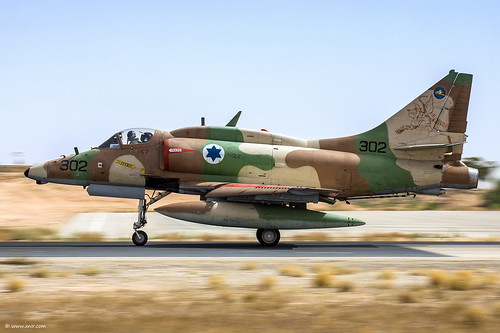
Israeli A4


Skyhawks played key roles in the Vietnam War, the Yom Kippur War, and the Falklands War. Fifty years after the aircraft's first flight, some of the nearly 3,000 produced remain in service with several air arms around the world, including from the Brazilian Navy's aircraft carrier, SĂ£o Paulo.

Skyhawks were the U.S. Navy's primary light attack aircraft used over North Vietnam during the early years of the Vietnam War; they were later supplanted by the A-7 Corsair II in the U.S. Navy light attack role. Skyhawks carried out some of the first air strikes by the US during the conflict, and a Marine Skyhawk is believed to have dropped the last American bombs on the country. Notable naval aviators who flew the Skyhawk included Lieutenant Commanders Everett Alvarez, Jr. and John McCain, and Commander James Stockdale. On 1 May 1967, an A-4C Skyhawk piloted by Lieutenant Commander Theodore R. Swartz of VA-76 aboard the carrier USS Bon Homme Richard, shot down a North Vietnamese Air Force MiG-17 with an unguided Zuni rocket as the Skyhawk's only air-to-air victory of the Vietnam War.


From 1956 on, Navy Skyhawks were the first aircraft to be deployed outside of the U.S. armed with the AIM-9 Sidewinder. On strike missions, which was the Skyhawk's normal role, the air-to-air armament was for self-defense purposes.

In the early to mid-1960s, standard U.S. Navy A-4B Skyhawk squadrons were assigned to provide daytime fighter protection for anti-submarine warfare aircraft operating from some Essex-class U.S. anti-submarine warfare carriers, these aircraft retained their ground- and sea-attack capabilities. The A-4B model did not have an air-to-air radar, and it required visual identification of targets and guidance from either ships in the fleet or an airborne Grumman E-1 Tracer AEW aircraft. Lightweight and safer to land on smaller decks, Skyhawks would later also play a similar role flying from Australian, Argentinean, and Brazilian upgraded World War II surplus light ASW carriers, which were also unable to operate most large modern fighters.Primary air-to-air armament consisted of the internal 20 mm (.79 in) Colt cannons and ability to carry an AIM-9 Sidewinder missile on both underwing hardpoints, later additions of two more underwing hardpoints on some aircraft made for a total capacity of four AAMs.

Specifications (A-4F Skyhawk)


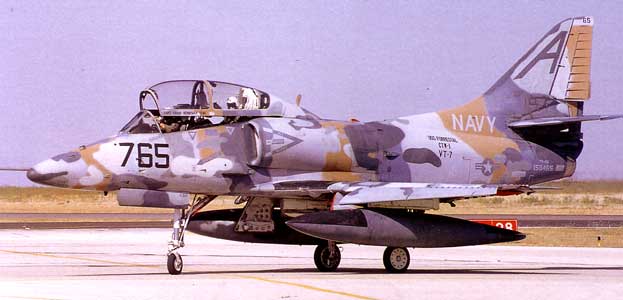
"Top Gun" aggressor unit

Data from Wiki, globalsecurity.org
General characteristics

Crew: one (two in OA-4F, TA-4F, TA-4J)
Length: 40 ft 3 in (12.22 m)
Wingspan: 26 ft 6 in (8.38 m)
Height: 15 ft (4.57 m)
Wing area: 259 ft² (24.15 m²)
Airfoil: NACA 0008-1.1-25 root, NACA 0005-0.825-50 tip
Empty weight: 10,450 lb (4,750 kg)
Loaded weight: 18,300 lb (8,318 kg)
Max. takeoff weight: 24,500 lb (11,136 kg)
Powerplant: 1 × Pratt & Whitney J52-P8A turbojet, 9,300 lbf (41 kN)


Performance
Maximum speed: 585 kn (673 mph, 1,077 km/h)
Range: 1,700 nmi (2,000 mi, 3,220 km)
Combat radius: 625 nmi, 1,158 km ()
Service ceiling: 42,250 ft (12,880 m)
Rate of climb: 8,440 ft/min (43 m/s)
Wing loading: 70.7 lb/ft² (344.4 kg/m²)
Thrust/weight: 0.51
g-limit: +8/-3 g


Armament
Guns: 2× 20 mm (0.79 in) Colt Mk 12 cannon, 100 rounds/gun
Hardpoints: 4× under-wing & 1× under-fuselage pylon stations holding up to 9,900 lb (4,490 kg) of payload
Rockets:
4× LAU-10 rocket pods (each with 4× 127 mm Mk 32 Zuni rockets)
Missiles:
Air-to-air missiles:
4× AIM-9 Sidewinder
Air-to-surface missiles:
2× AGM-12 Bullpup
2× AGM-45 Shrike anti-radiation missile
2× AGM-62 Walleye TV-guided glide bomb
2× AGM-65 Maverick
Bombs:
6× Rockeye-II Mark 20 Cluster Bomb Unit (CBU)
6× Rockeye Mark 7/APAM-59 CBU
Mark 80 series of unguided bombs (including 3 kg and 14 kg practice bombs)
B57 nuclear bomb
B61 nuclear bomb
Others:
up to 3× 370 US gallons (1,400 L) Sargent Fletcher drop tanks (pylon stations 2, 3, 4 are wet plumbed) for ferry flight/extended range/loitering time

Avionics
Bendix AN/APN-141 Low altitude radar altimeter (refitted to C and E, standard in the F)

Stewart-Warner AN/APQ-145 Mapping & Ranging radar (mounted on A-4F, also found on A-4E/N/S/SU)

Vietnam Experience:
 The first combat loss of an A-4 occurred on 5 August 1964, when Lieutenant junior grade Alvarez, of VA-144 aboard the USS Constellation, was shot down while attacking enemy torpedo boats in North Vietnam. Alvarez safely ejected after being hit by anti-aircraft artillery (AAA) fire, and became the first US Naval POW of the war; he was released from being a POW on 12 February 1973. 

The last A-4 loss in the Vietnam War occurred on 26 September 1972, when USMC pilot Captain James P. Walsh, USMC of VMA-211, flying from his land base at Bien Hoa Air Base, South Vietnam, was hit by ground fire near An Lá»™c. An Lá»™c was one of the few remaining hotly contested areas during this time period, and Captain Walsh was providing close air support (CAS) for ground troops in contact (land battle/fire fight) when his A-4 was hit, catching fire, forcing him to eject. Rescue units were sent, but the SAR helicopter was damaged by enemy ground fire, and forced to withdraw. Captain Walsh, after safely ejecting, had landed within NVA (North Vietnamese Army) positions, and had become a POW as soon as his feet had touched the ground. Captain Walsh was the last U.S. Marine to be taken prisoner during the war, and was also released from being a POW on 12 February 1973.


Although the first A-4Es were flown in Vietnam in early 1965, the A-4Cs continued to be used until late 1970. The Seabees of MCB-10 went ashore on 7 May 1965. On 1 June 1965, the Chu Lai Short Airfield for Tactical Support (SATS) was officially opened with the arrival of eight A-4 Skyhawks from Cubi Point, Philippine Islands. The group landed with the aid of arresting cables, refueled and took off with the aid of JATO, with fuel and bombs to support Marine combat units. The Skyhawks were from Marine Attack Squadron VMA-225 and VMA-311.

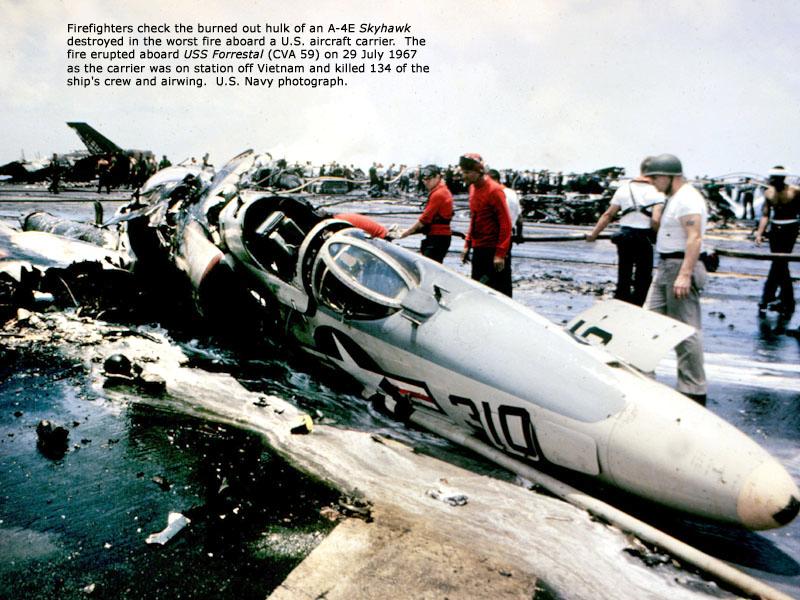
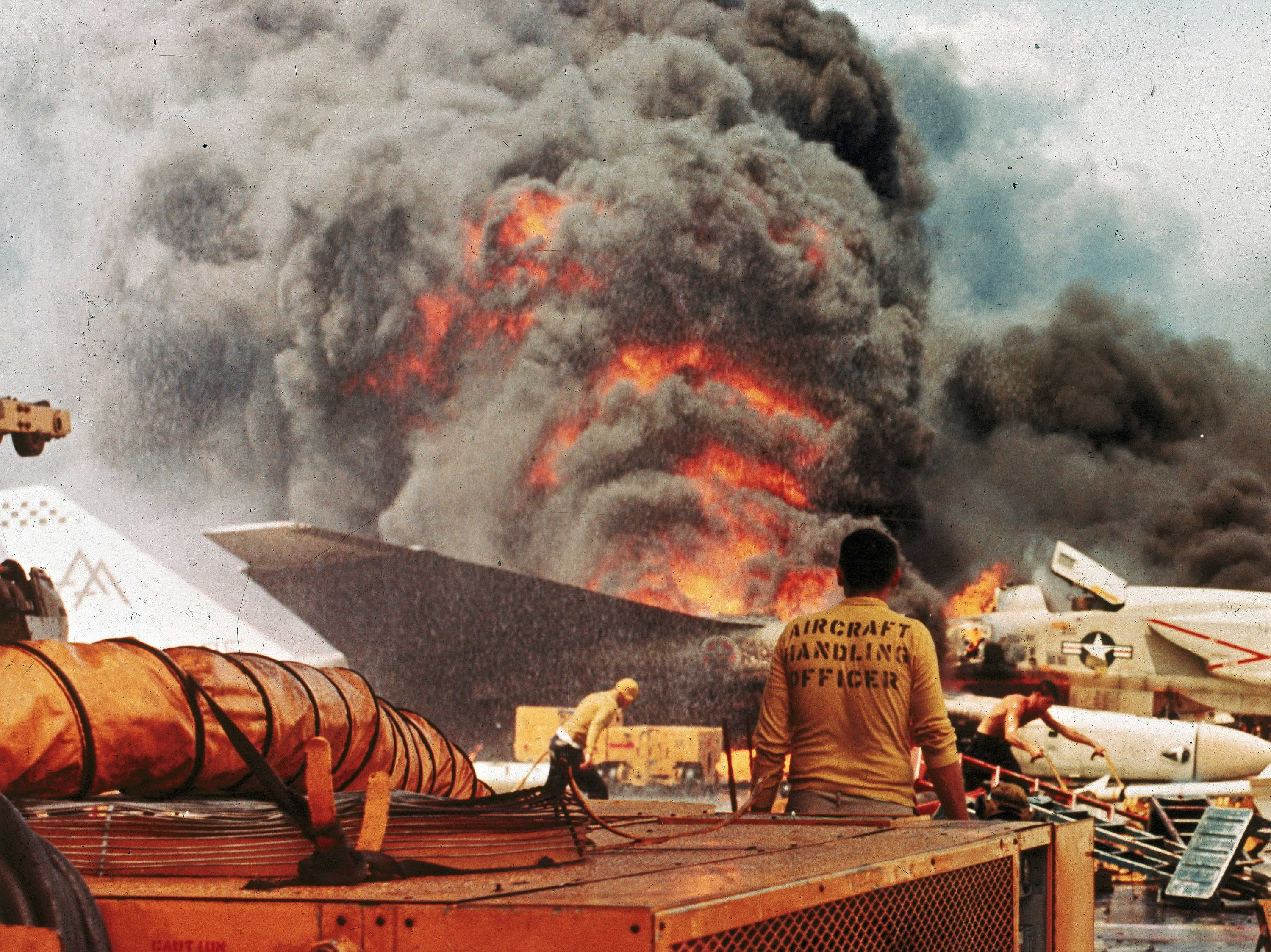
On 29 July 1967, the aircraft carrier USS Forrestal was conducting combat operations in the Gulf of Tonkin during the Vietnam War. A Zuni rocket misfired, striking an external tank on an A-4. Fuel from the leaking tank caught fire, creating a massive conflagration that burned for hours, killing 134 sailors, and injuring 161. 

Image


During the war, 362 A-4/TA-4F Skyhawks were lost due to all causes. The U.S. Navy lost 271 A-4s, the U.S. Marine Corps lost 81 A-4s and 10 TA-4Fs. A total of 32 A-4s were lost to surface-to-air missiles (SAMs), and one A-4 was lost in aerial combat to a MiG-17 on 25 April 1967.


Royal New Zealand Airforce:
In 1970, 14 A-4K aircraft were delivered to the Royal New Zealand Air Force. These were later joined by 10 A-4G Skyhawks from the Royal Australian Navy in 1984; all were converted to A-4K Kahu standard.


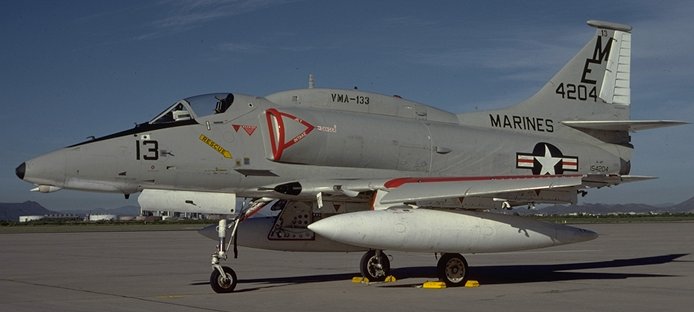
Douglas A-4 Skyhawk


The RNZAF withdrew the Skyhawks from service in 2001 and put them in storage awaiting sale. Draken International signed an agreement with the New Zealand government in 2012 to purchase eight A-4Ks and associated equipment for its adversary training services. The buy was later increased to 11 A-4Ks. These were subsequently relocated to the U.S. at Draken's Lakeland Linder Regional Airport facility in Lakeland, Florida. The other A-4K aircraft were given to museums in New Zealand and Australia or sold to individuals or organisation.
The New Zealand Government has not replaced the Skyhawks.


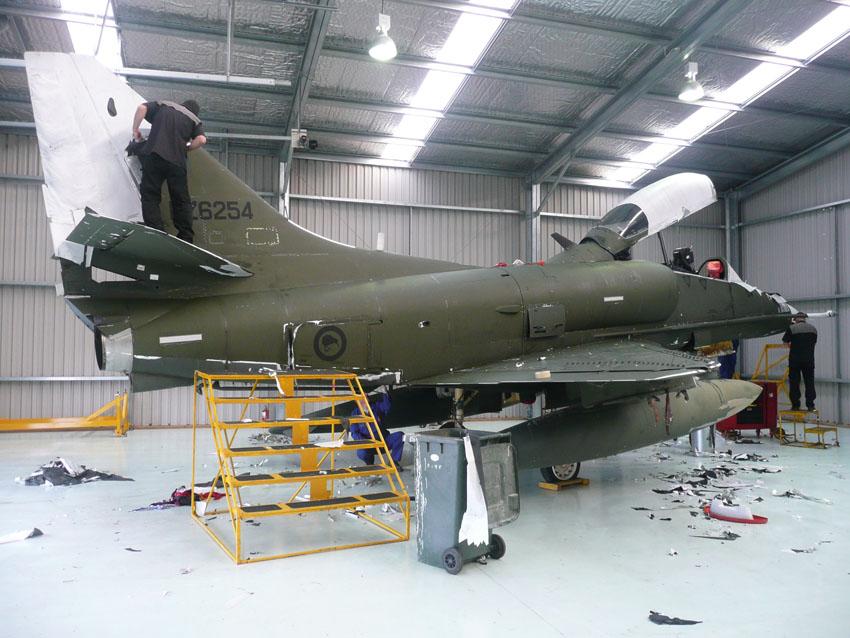
The first of the Royal New Zealand Air Force’s former Skyhawk fleet being disassembled at Woodbourne, near Blenheim, as part of the Government’s decision to place some of the aircraft in museums around New Zealand.
NZ6254, a two-seat TA-4K Skyhawk, has had its protective coating removed and was dismantled into its major components ready for movement by Defence Force transport to the Air Force Museum of New Zealand at Wigram, Christchurch, the birthplace of New Zealand military aviation.

The Museum was very keen to acquire NZ6254 as it was the first Skyhawk to fly in New Zealand following delivery in May 1970 aboard the USS Okinawa. It was also one of two Skyhawks to undertake test-firing of the Maverick air-to-surface missile in 1989, the other aircraft being NZ6205, a single-seat model, which has also been allocated to the Museum. Both aircraft were the prototypes for Project Kahu which resulted in the aircraft fleet receiving a major upgrade to their avionics.
NZ6254 was reassembled at the Museum by the Unit and went on display soon afterwards so that visitors can get the opportunity of seeing the aircraft at close quarters.
Happier days for NZ6205

Amelia Earhart's sad demise

Dozens heard Amelia Earhart's final, chilling pleas for help, researchers say Distilled from 2 posts in the  Washington Post a...